Microchipping provides permanent identification that significantly increases the chances of reuniting lost pets with their families. The procedure is quick, safe, and can be performed during a routine wellness visit or alongside spay & neuter surgery.
Each microchip contains a unique identification number that can be scanned by veterinary clinics, shelters, and animal control organizations.
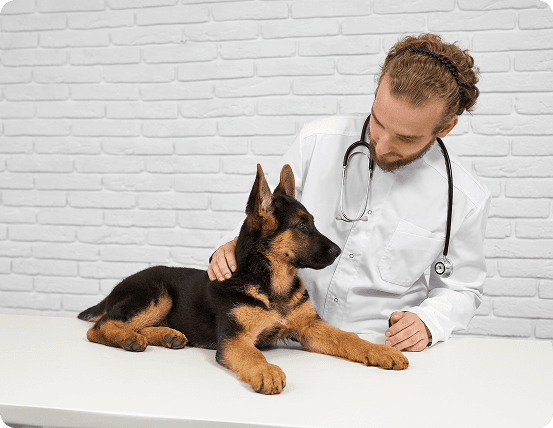
Microchipping offers a reliable layer of protection that can greatly improve the chances of bringing a lost pet back home. We recommend it for all puppies and kittens as part of their early care.


Yes, microchipping is a quick, safe, and minimally invasive procedure. The microchip is roughly the size of a grain of rice and is implanted quickly beneath the loose skin between the shoulder blades, causing minimal temporary discomfort.
Walnut Grove Animal Hospital provides pet microchipping in Langley, BC for both dogs and cats, with implantation done in seconds during any wellness visit.
Implanting the chip is only the first step; you must register the unique chip number with your current contact details in the national database. Our team will provide you with the registry information to ensure your account is successfully updated.
Look for a full-service veterinary clinic offering same-day microchip implantation and registration. Walnut Grove Animal Hospital in Langley offers both, 7 days a week.
Yes, Walnut Grove Animal Hospital in Langley microchips cats during routine visits or alongside spay/neuter surgery, using a quick, low-stress procedure.
Yes, for convenience and pet comfort, a microchip can be placed during a regular preventative care exam or easily implanted while your pet is undergoing another surgical procedure, such as a routine spay or neuter.
A microchip gives shelters, vets and animal control in Langley a scannable ID number linked to your contact details, greatly improving the odds of reuniting you with a lost pet.
After implantation, you register the chip's unique ID number and your contact info in a pet-recovery database and must update it whenever you move or change your phone number.
Yes, microchips can be scanned and verified during their annual wellness exams to verify that it is fully functional, reading accurately and remains properly positioned.
Shelters, clinics and animal control scan the chip for its ID number, then look up your contact details in a national pet-recovery registry.
About $40–$75 CAD one-time for the chip and implantation, plus a separate registry fee to store your contact details.