Chronic pain, often caused by arthritis or age-related conditions, can significantly impact your pet's quality of life. We focus on identifying the source of discomfort through diagnostic tools like bloodwork and X-ray imaging, and creating individualized multimodal plans to manage pain effectively.
Our goal is to improve mobility, increase comfort, and help your pet stay active and happy in their daily life. Regular wellness exams can help detect pain early.
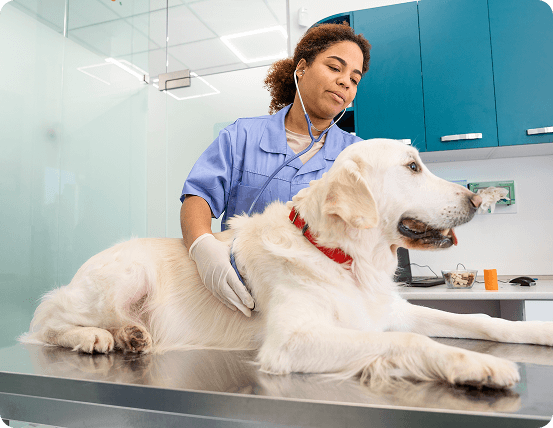
Regular evaluations allow us to adjust protocols as needed making sure your pet receives optimal relief.


Slowing down, experiencing stiffness after resting, or hesitating on stairs are often signs of chronic pain rather than just normal aging. A comprehensive veterinary assessment can help determine your dog's comfort levels and guide appropriate management strategies.
Cats naturally hide pain very well. Instead of vocalizing, chronic pain in felines often manifests as subtle behavioral changes, such as hiding, a decreased willingness to jump onto furniture, hesitating before leaps, or changes in grooming habits.
We recommend discussing appropriate exercise durations, low-impact walking surfaces, weight management plans, and therapeutic options such as tailored joint supplements or prescribed medications to support her mobility and comfort.
Follow-up visits are typically scheduled more frequently at the beginning of a plan, such as every few weeks, to monitor your pet's response to treatment. Once comfort levels are stably managed, the intervals between evaluations are usually extended to every few months.
Yes, modifying your home environment can significantly support your dog or cat's quality of life. Providing supportive orthopedic bedding, placing non-slip rugs on slick flooring, using ramps instead of steps, and helping them maintain a healthy body weight can help minimize daily joint strain.